We will drop you off to the hotel if you arrive late at night.
Morning arrivals in keeping with the schedule.
Negombo is the most popular coastal town north of Colombo. A combination of resort town, fishing village and an enchanting lagoon makes it an ideal holiday destination.
Originally Negombo had been a famous cinnamon producing area and so it became a popular port under the Portuguese and Dutch rule. The influence of colonization is still visible in the area with ancient churches as the main religion in the area is Roman Catholicism. The old Dutch Fort Gate is now used as part of the local prison and the 100km old Dutch Canal which runs through the town is still being used. The stretch of beach closer to the main town features popular sea front lodging options. The waters are generally busy with fishermen on the `Oruwas`, a local version of a canoe, but afford excellent conditions for swimming. Those seeking adventure can dive to explore the wreck of the WW II British plane which is off the shores of Marawila.The Muthurajawela Wetlands off the lagoon features a unique coastal ecosystem. This is the Island`s largest marsh and home to pythons as well as other birds, butterflies, reptiles and fish. Negombo`s main industry being fishing it is the ideal place for a scrumptious seafood fare.
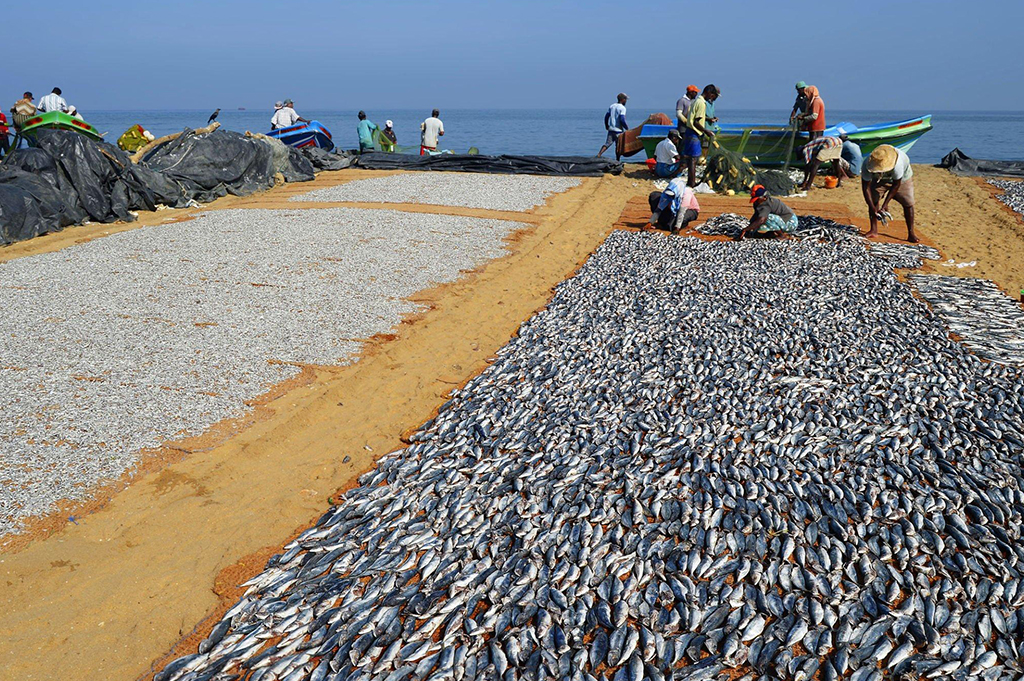
Why are we making our way to a fish market so early in the day? Sri Lanka, an island country with more than 1200 kilometers of coastline, is renowned for its fresh fish and dry fish industries. Consequently, Sri Lanka is home to many different fish markets, with Negombo Fish Market being among the most well-known. Fresh and dried fish are offered for sale in the Negombo Fish Market.
As soon as you walk in, you will notice a sizable number of rows of dry fish lying in the fiber mats, hoping for more sunshine so they can finish drying. First, the wives of fishermen clean the fresh fish and place it on fiber mats in the sun for three to four days. In the cardboard boxes, too. The distribution phase has now begun. The fresh fish market is visible next to the section for dry fish.
There are times when Rs. 1000 is more than enough to purchase a kilo of fresh fish, including shark, tuna, sardine, mackerel, and other fish. At the stalls outside the market, you can also buy live crabs. Moreover, you may undoubtedly enjoy a fresh king coconut or some fruits, such as pineapple or banana, on the walk back to the vehicle.
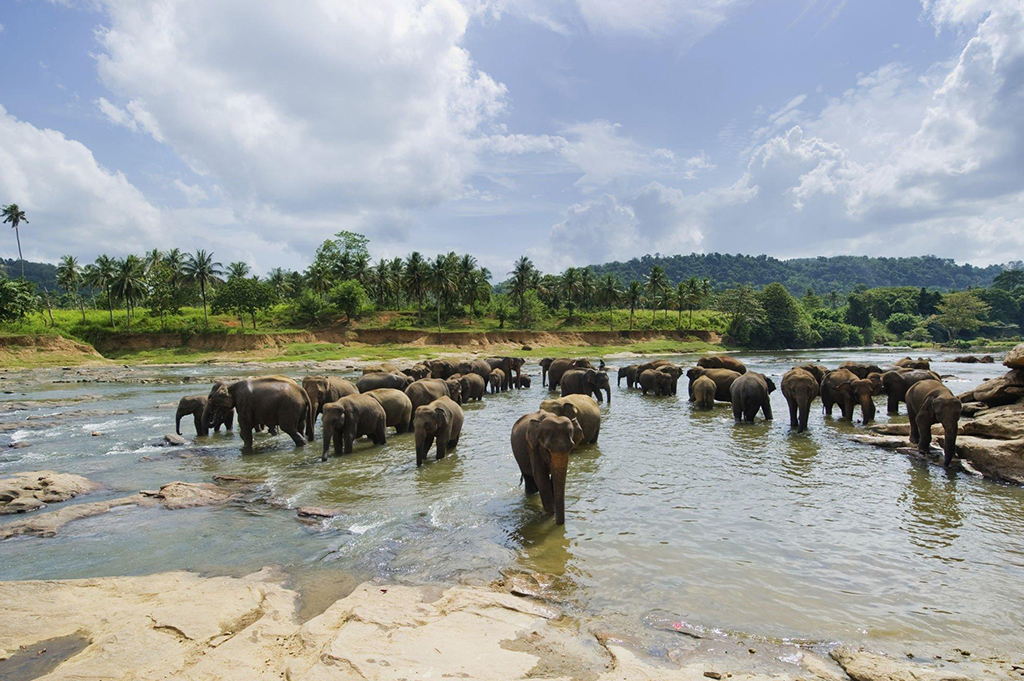
Pinnawela as an area which is really all about the elephants and home to the famous Pinnawela Elephant Orphanage,. It is usually a stopover for people traveling between Colombo and Kandy as it enjoys a halfway location.
Things to do in Pinnawela mostly comprise of visiting the Orphanage and feeding the baby elephants. It is an experience that is guaranteed to make you feel good. You can follow the herd of elephants as they make their way down to the river for their bath. It is a heartwarming experience to see the young and the old frolic in the river water. Take back souvenirs in the form of products made from elephant dung, such as paper and envelopes. Do not worry, they are completely clean and make unique and thoughtful gifts
The orphanage was initially situated at Wilpattu National Park, before being moved to the Bentota tourism complex and finally the Dehiwala Zoo. On a 25-acre property, it was moved from the Zoo to Pinnawala village. The foundation of the orphanage consisted of five infant elephants. An elephant breeding program was started in 1982. There were 78 elephants residing here as of 2012. There are now almost 84 elephants. The elephants are cared for by 48 mahouts (handlers).
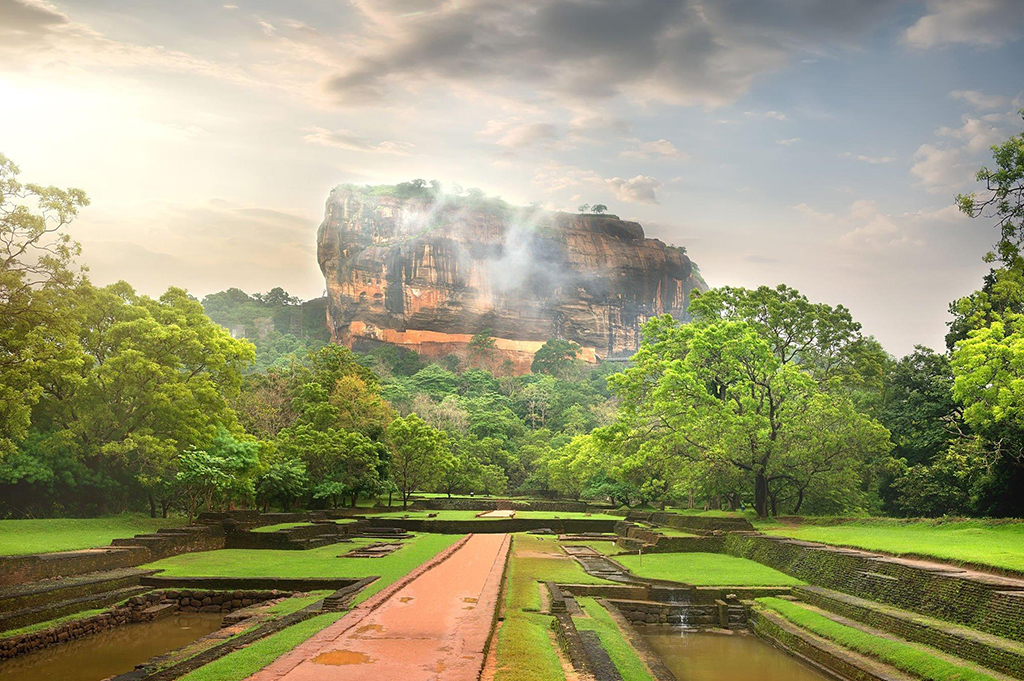
The historic rock stronghold known as Sigiriya, also known as the Lion Rock, is a huge rock column standing close to 200 meters (660 feet) tall in the Central Matale District close to the town of Dambulla. King Kasyapa (477–495 CE) decided on this location as the new home of his government. He constructed an entrance shaped like an enormous lion about halfway up the side of this rock. This structure, known as Sihagiri, or the Lion Rock, gave the location its name.
A UNESCO World Heritage Site nowadays is Sigiriya. Sigiriya became a sophisticated city and fortification during the rule of King Kashyapa. The majority of the ornate (Decorate) buildings, including palaces, gardens, and defensive structures, are on the rock top and in the area surrounding it.
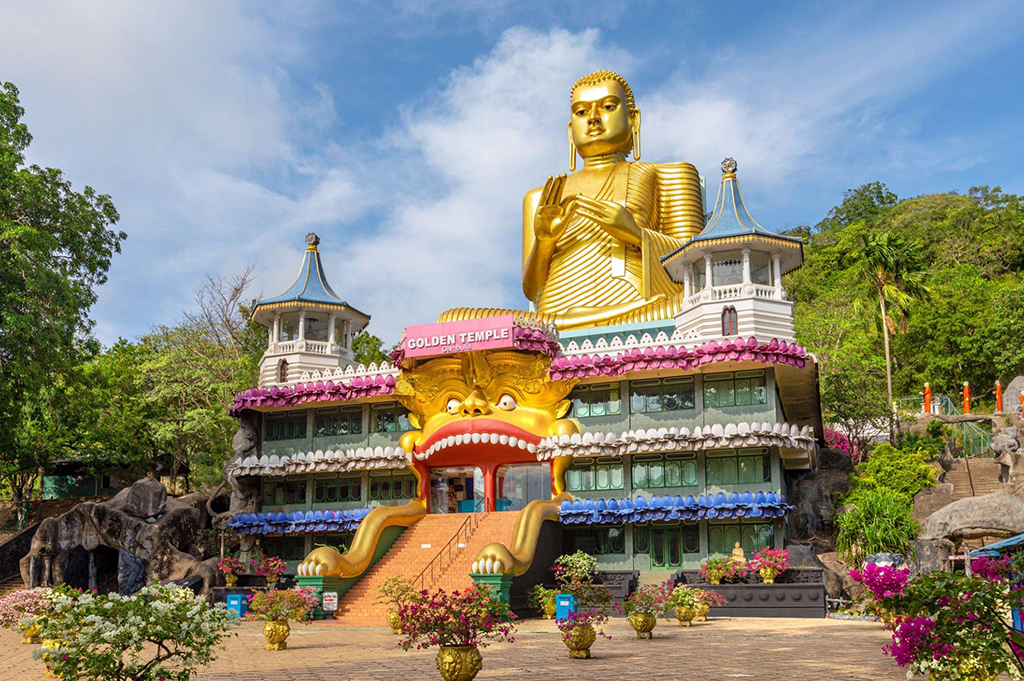
During the Anuradhapura period, a temple complex was constructed at the foot of a 150-meter-tall rock. The name "Jambukola" is used for the first time in the Mahawamsa to refer to the Dabulla cave shrine. The Golden Rock Caves are known as "Suwarna Giri Lena" in the rock inscription carved by King Kirthi Sri Nissankamalla on the cave temple. Rangiri Dambulla Wiharaya, which translates to "Golden Rock Temple," is the name of the cave temple at Dambulla. When two nouns were combined, the name Dambulla was created. The words "Daba" and "Ulla" both refer to rocks. There are five caverns inside the temple that contain some of the most stunning and well-known paintings.
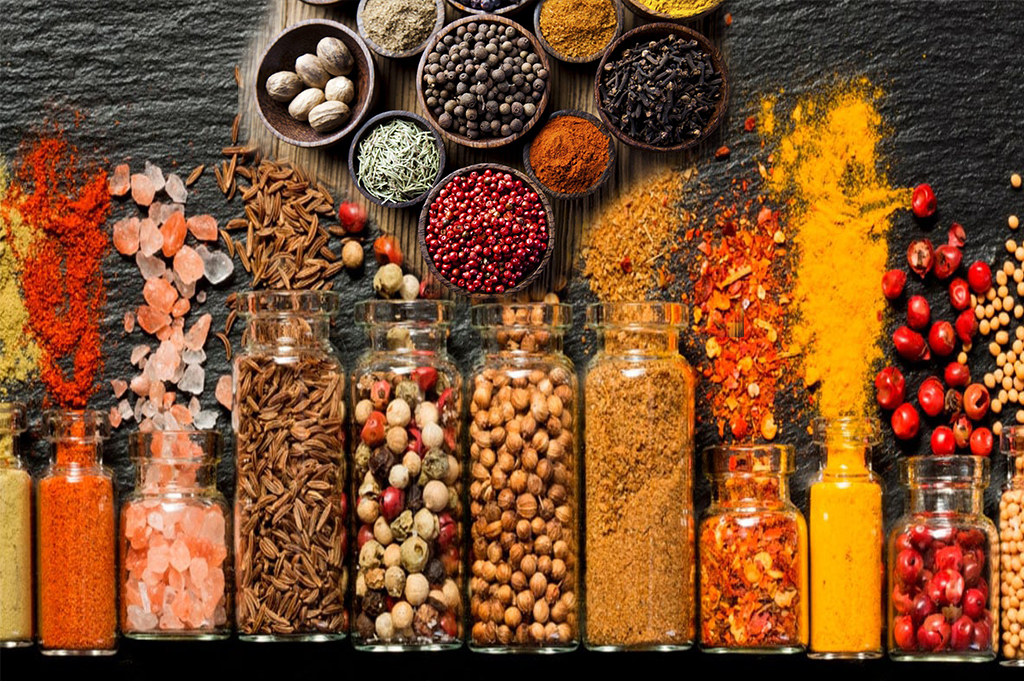
For generations, Sri Lanka has been renowned for its wonderful selection of spices. In our daily meals, we utilize spices to increase four key things. Taste, appearance, aroma, and nutrient content. What exactly are these Sri Lankan spices that are so well-known? These include vanilla, mace, nutmeg, cloves, cardamom, pepper, cinnamon, and pepper. We had kings and queens in our kingdoms. The king and queen of this realm of spices are pepper and cardamom. Sri Lankan spices provide you a flavor that is well-known over the world because to these two rulers.
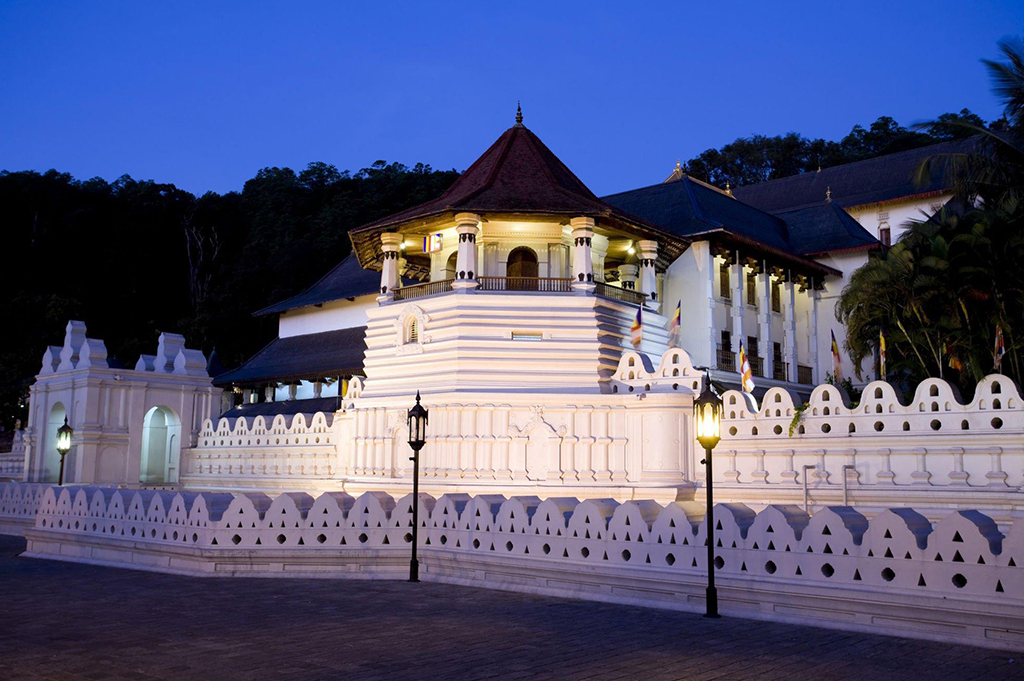
One of the biggest attractions in Kandy is the Temple of Tooth and its adjoining structures.Set against the picturesque Kandy Lake, the Temple of Tooth is where the tooth relic of Lord Buddha is kept. Every year during the months of July and August the city transforms itself in to its past glory as a spectacular parade of elephants, chieftains, drummers and dancers take to the streets of Kandy. Known as the Kandy Perehera, this extravagant pageant parades the Tooth Relic in a golden casket. Explorations in Kandy include 16th century Temple of the Tooth and the Old Royal Palace compound, the temples of the Asgiriya and Malwatta Chapters and Hindu Shrines dedicated to Gods Vishnu and Natha and Goddess Patthini.
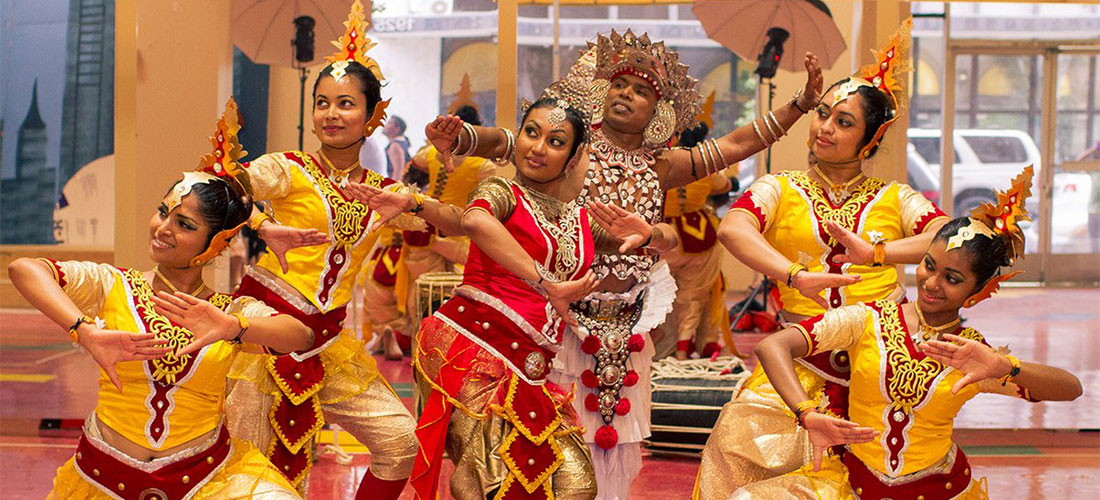
There are three main styles of Sri Lankan classical dance:
The last royal capital of Sri Lanka, Kandy, which is located around 120 kilometers from the current capital, Colombo, is where the Kandyan dance gets its name. Today, this style is regarded as Sri Lankan classical dance. It is known as "nritta" (pure dance) in Sanskrit, and it has a highly developed "tala" (rhythm) system that is given by cymbals known as "thalampataa." There are five different types: the ves, naiyandi, uddekki, pantheru, and vannams.
The three classical dance forms differ in their styles of body movements and gestures, in the costumes worn by the performers, and in the shape and size of the drums used to provide rhythmic sound patterns to accompany the dancing.
The drum used in Kandyan dancing is known as the Geta Bera, the drum in Ruhunu (low country) dancing as the "Yak Bera", and the drum in Sabaragamu dancing as the "Davula" (the word Bera or Bereya in Sinhala means "Drum") The Geta Bera is beaten with the hands as is also Yak Bera, while the Davula is played with a stick on one side and with one hand on the other side; the Geta Bera has a body which tapers on both sides while the Yak Bera and the Davula both have cylindrical bodies.
The main distinguishing feature between Kandyan and Sabaragamu dancing, and Ruhunu dancing, is that Ruhunu dancers wear masks.
Additional we can see these dancing patterns
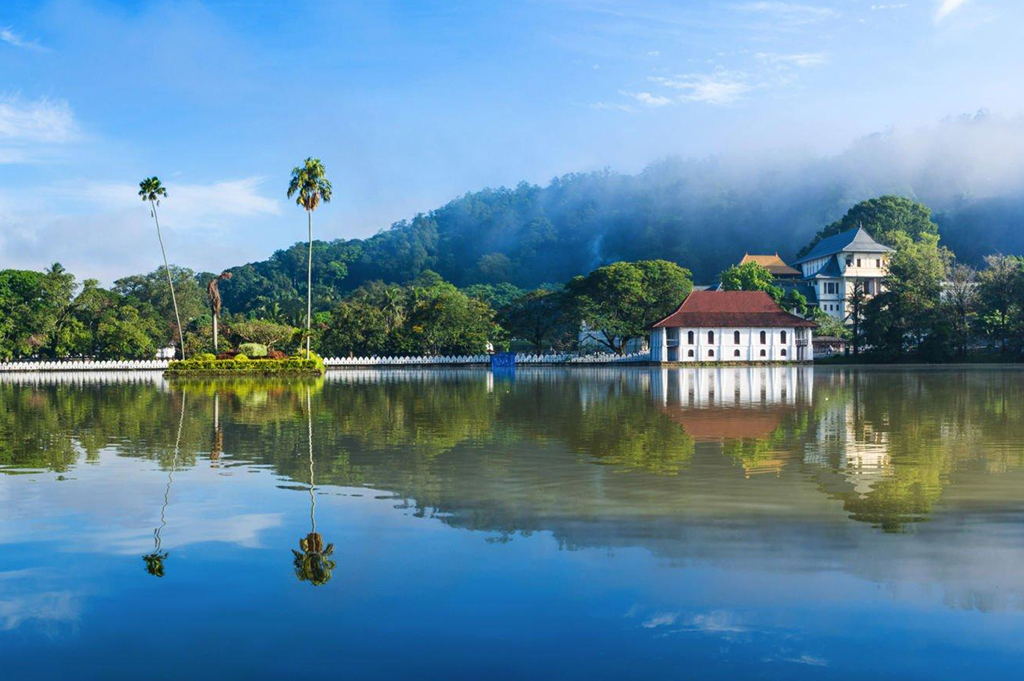
Kandy Lake was built in 1807 by King Sri Wickrama Rajasingha, our last king; it is a protected lake in the midst of Kandy City. This lake is also referred to as the Sea of Milk, despite the fact that it is recognized as Kandy Lake. Prior to the construction of this lake, that area was a paddy field. Sri Wickrama Rrajasingha, the king who loved to have fun, turned that paddy field into a lake.
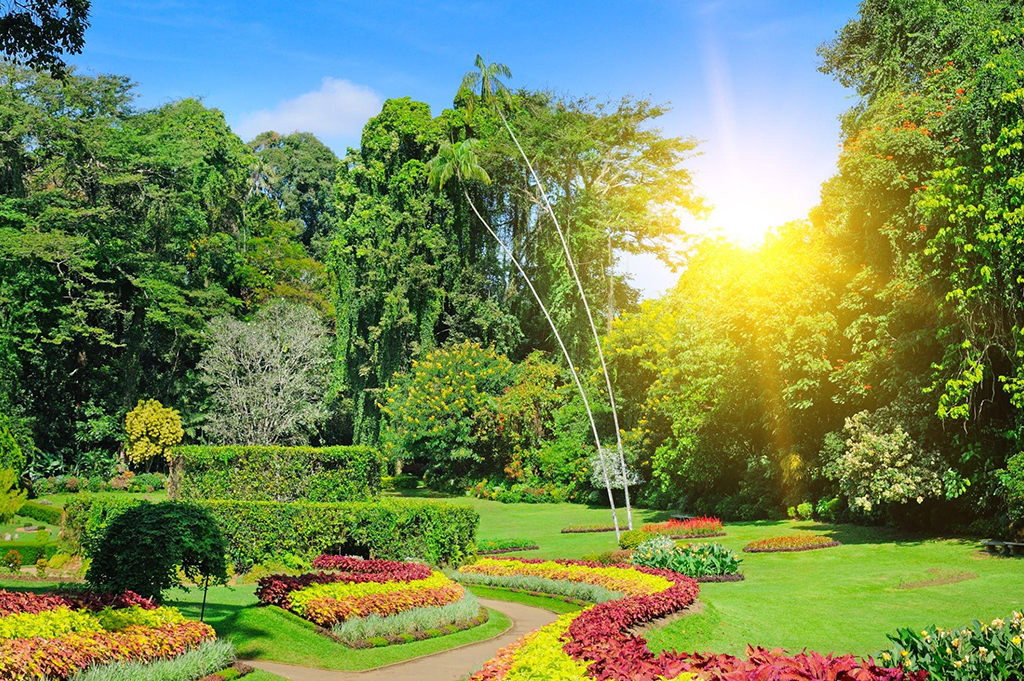
About 5.5 kilometers to the west of the city of Kandy is the Royal Botanical Garden, which is situated near Peradeniya. It is about 1600 feet above sea level. It faces the main Kandy-Colombo road. Each year, it draws up to 2 million tourists. It is located close to Sri Lanka's longest river, the Mahaweli, which is 335 kilometers long. It is noted for its orchid collection. Over 4000 different plant species, including orchids, spices, Mediterranean plants, and palm trees, may be found in the garden. The botanical garden has a shoe-shaped plot of ground and covers 147 acres in total. The Department of Agriculture's Division of National Botanic Gardens is in charge of its administration.
The origins of the Botanic Gardens date far back as 1371 when King Wickramabahu III ascended the throne and kept court at Peradeniya near the Mahaweli River. The groundwork for a botanical garden was formed by Alexandar Moon in 1821. He used the garden for coffee and cinnamon plants. The Royal Botanical Garden at Peradeniya was formally established in 1843 with plants brought from Kew Garden, Slave Island, Colombo, and the Kalutara Garden in Kalutara. Most attractive places are ferns garden, great circle of grass, Double coconut palm trees and suspension bridge.
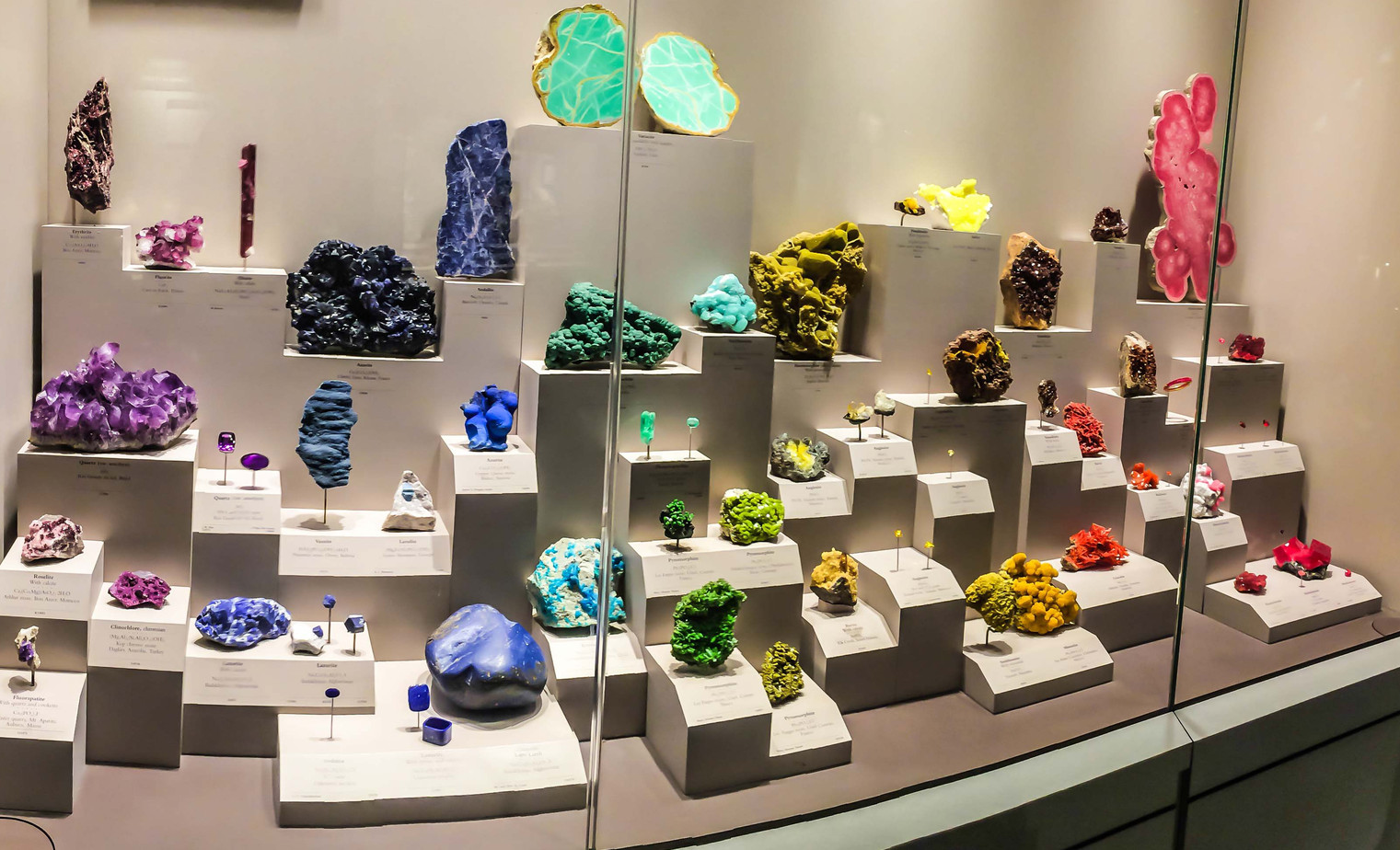
Srilanka was affectionately known as Rathna-Dweepa which means Gem Island. Srilanka is very famous for Blue sapphire. and also we have huge varieties of gems which includes, Pink, Yellow and Golden Sapphires, Rubies, Star Sapphires, Star Rubies, Alexandrite, Cat’s F, Spinel, Aquamarines, Topaz, Zircons, Garnets, Tourmalines, Moonstones, Quartz and a large number of rare gemstones. In the Gem museum you can see the Process of the Gems
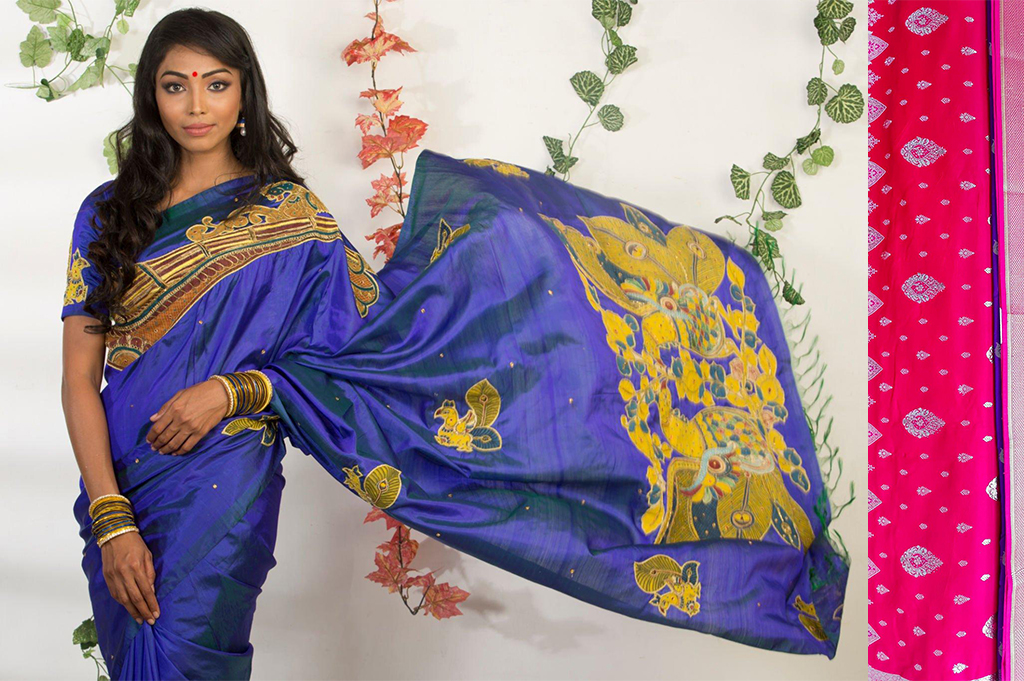
Our traditional dress is saree and saron. Normally srilankan female likes to wear it. In srilankan weddings bride usually wear a saree. So we have two types of saree styles, one is kandyan saree and other one is usual one.
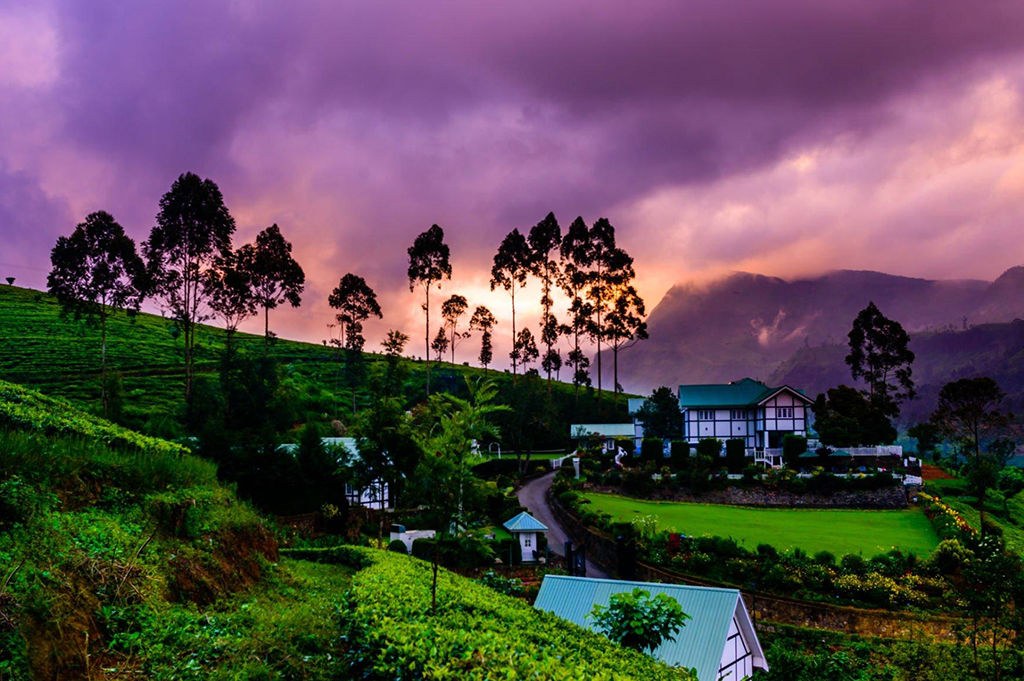
At an altitude of 2000 metres above sea level and with velvety green mountains surrounding it Nuwara Eliya is one of the most picturesque destinations in Sri Lanka. This mountain station is popular for the tea plantations around the area as well as the influence of colonialism in the town.
Located in the heart of the local tea industry the English planter sought this destination as their base mainly because of its salubrious climate and scenic setting. Made in to a little English village by the Britishers the city today still portrays the typical setting of an old English countryside.With various interesting attractions in the area and most of the colonial lodgings being converted to hotels and guesthouses Nuwara Eliya is a much sought after holiday destination by locals as well as foreigners. Attractions in and around Nuwara Eliya include, the picturesque Gregory`s Lake which is located in the town itself and which offers boating and rowing options and the Hakgala Botanical Gardens, located about 10km from the town it`s elevation of 5000 – 6000 feet makes it the only Botanical Garden in the world boasting such a high altitude. Among some of the rare plants the Garden boasts is a 100 year old Monterey Cypress (Macrocarpa) which is a species of cypress endemic to the Californian Central Coast. For the sport and adventure lover the city itself features a dramatically set 18-hole golf course with an old English style club house, and for those willing to venture out further the ideal explorations are the Horton Plains National Park which boasts rare flora and fauna as well as excellent hiking and walking trails and the tough climb of the Pidurutalagala which is the highest mountain peak in the Island. For scenic explorations there are a range of attractive waterfalls each featuring its own unique cascade, scenic tea plantations to explore and various picnic spots for relaxation
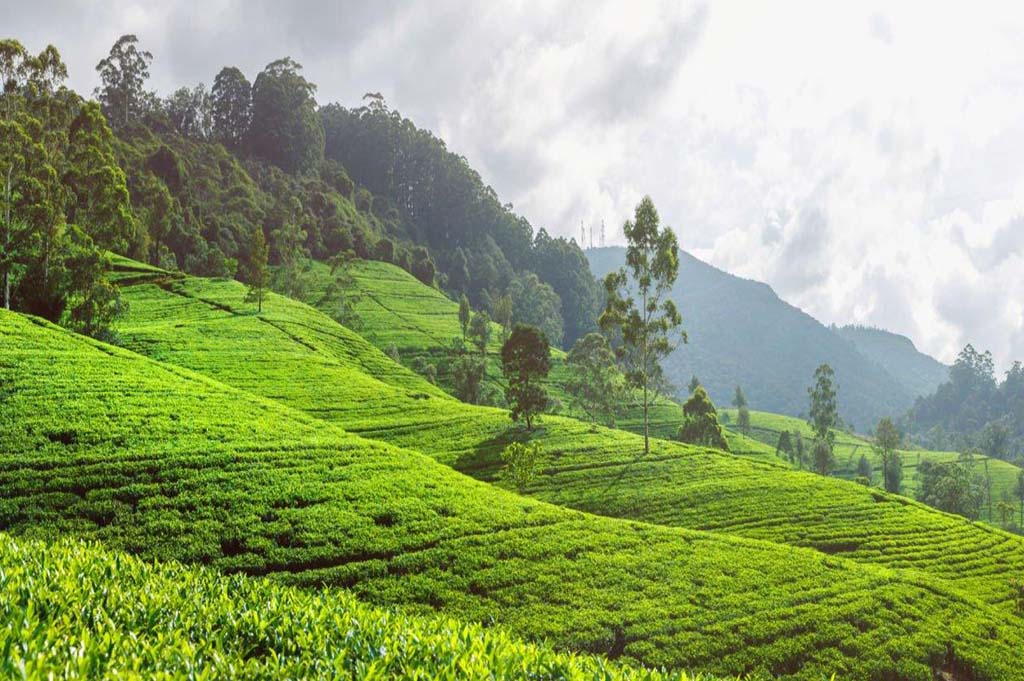
For centuries, Ceylon tea has been known as the finest tea in the world. Tea was first introduced to Sri Lanka by James Taylor in 1867, and the rest, as they say, is history! Ceylon tea consists primarily of black tea, however, green tea and other types of tea are also grown. Although Sri Lanka is a comparatively small country, it has a wide range of elevations, which results in the flavors of tea being produced varying greatly depending on the part of the country they originate from. The main differences in flavor are a result of the climate, soil, sun, precipitation, and plant varietals. Although there are regional nuances, Ceylon tea is classically known for its bold, full, and brisk flavor. A majority of Ceylon tea is picked by hand, which makes it a brisk and bright tea. There are three main types of Ceylon tea:
The first, and most popular is the black Ceylon tea, and also the most complicated. The complication arises from the fact that the stem and leaves of the tea plant are used when making black tea. Authentic black Ceylon tea is made using aged stems and fermented leaves.
The second type, Ceylon green tea avoids the fermentation process. This ensures the tea leaf remains green and gives the brewed cup of tea a yellowish-green color. The tea leaves are either pan-fried or steamed right after the rolling process to stop further fermentation.
Third, and finally, we have Ceylon White tea also known as ‘Silver Tips’. Only the ‘bud’ is handpicked and sun-dried. A special clone of the Camelia sinensis plant is used to pluck these silver tips which are longer and bolder than usual buds. Silver tips are known to carry the most amount of health benefits as it is the least processed tea.
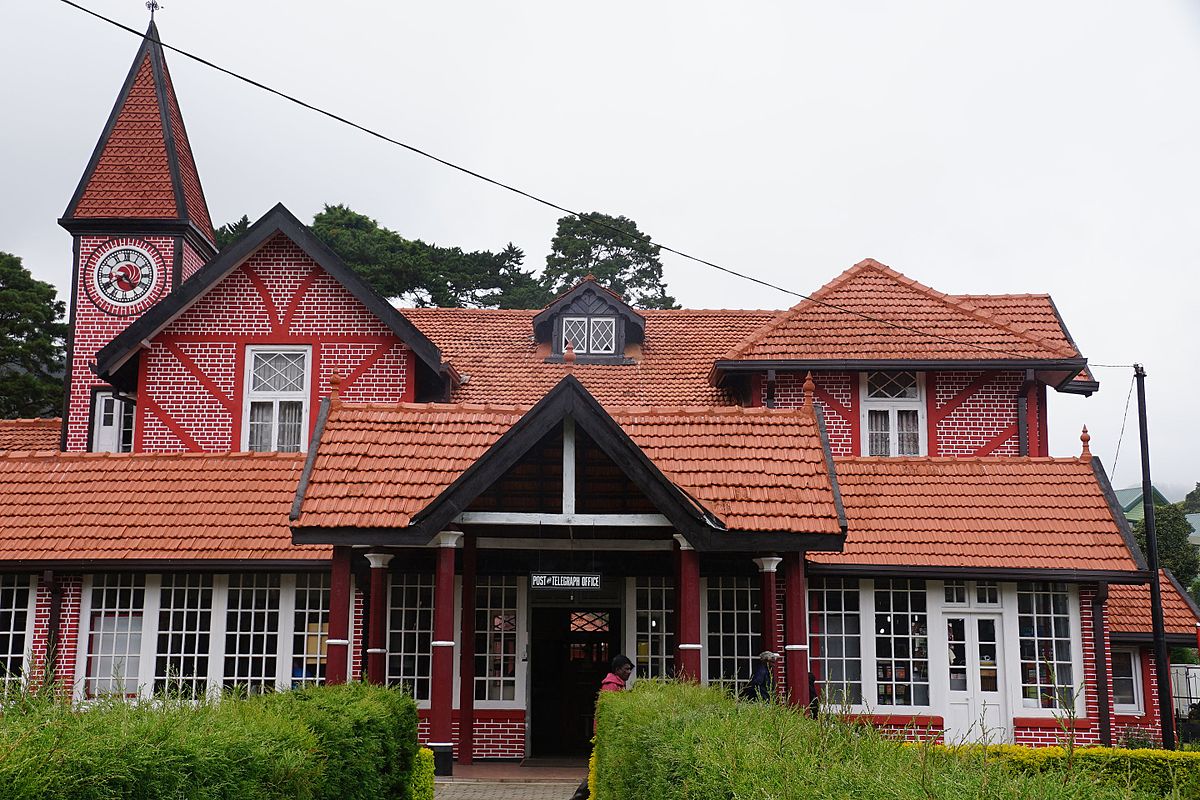
The pink post office is located in the heart of the Nuwara Eliya. This is a very famous place for sending postcards and this building was constructed in 1894 by the British. This building has 2 floors. This building builds out of red bricks. 1990 December 26th Sri Lanka Post issued a 10 rupee stamp with the photography of the post office. After visiting there you can send some post card's to your friends all around the world.
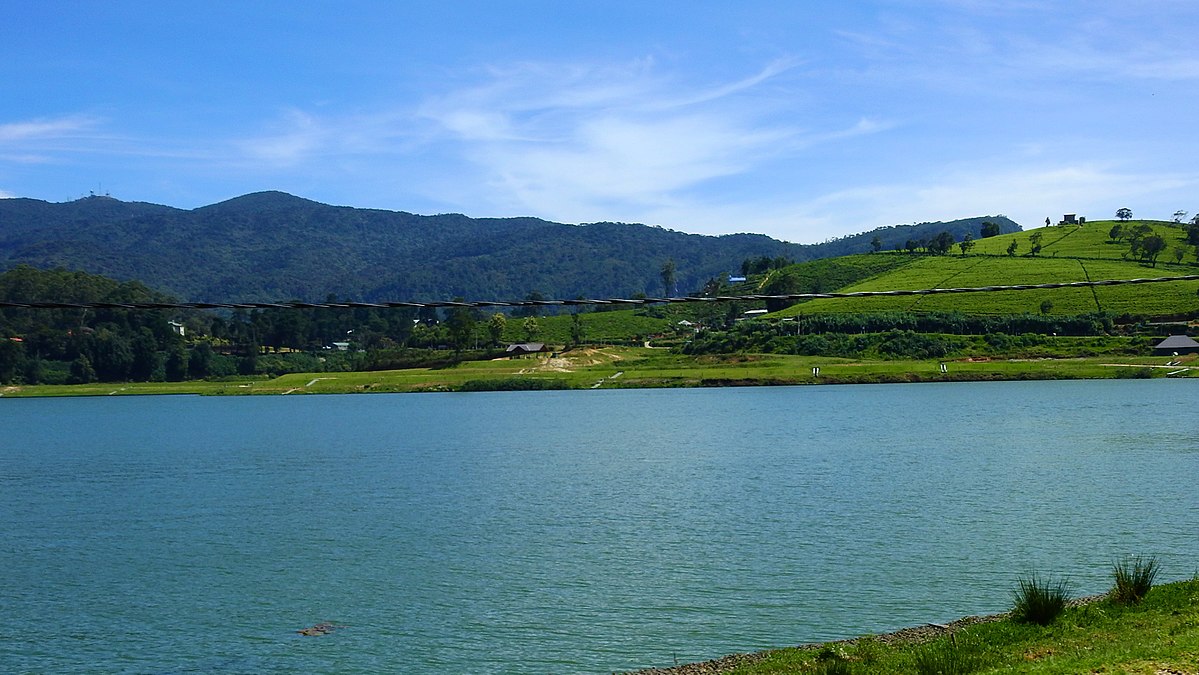
The area was originally a swampy bog at the foot of the small hills that border the town. In 1873 Sir William Gregory authorized the damming of the Thalagala stream, which originates from Mount Pidurutalagala, to make more land available for the expansion of the town. In 1881 the lake was stocked with trout by Mr. C. J. R. Le Mesurier (Assistant Government Agent for Nuwara Eliya).
In 1913 the waters of the lake were directed into a tunnel that flows to a hydro power station at 'Blackpool' between the town and Nanu Oya. The power station continues to supply electricity to the town to this day. In British times Lake Gregory was used for water sports and recreational activities.
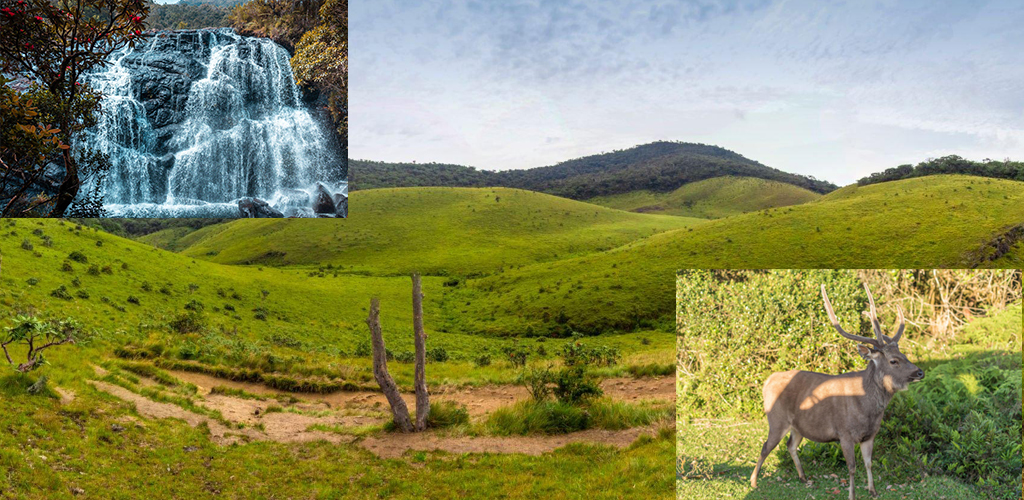
Horton Plains in Sri Lanka is the coldest and windiest location in the country. It consists of ecosystems such as Montane evergreen forests, grasslands, marshy lands, and aquatic ecosystems. At an altitude of 2,100 meters above sea level, Horton Plains spreads across over 3,169 hectares of the highest tableland of the island. Because of the large number of endemic flora and fauna species, Horton Plains was declared a UNESCO World Heritage Site on 30th July 2010.
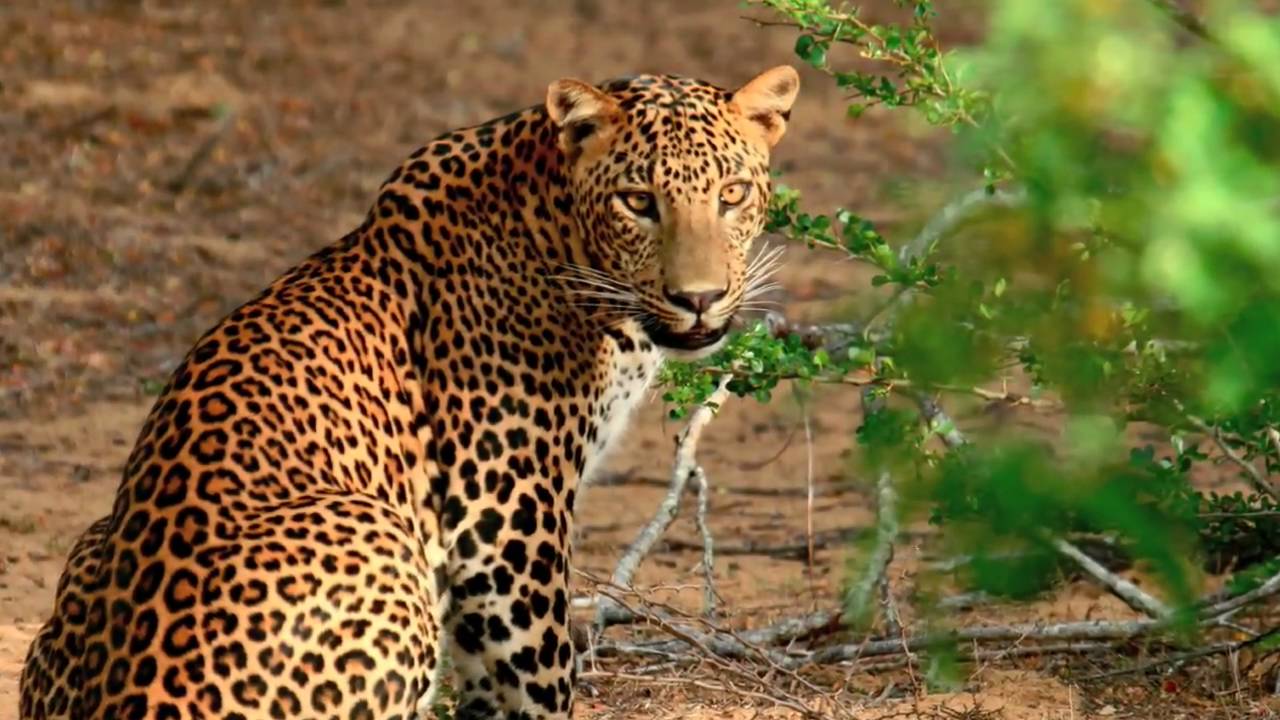
That brings you up, close and personal with the untamed world of wildlife. Whether you are an avid nature lover or visiting a wildlife park for the first time, if you come here with a mind that’s eager to explore and learn, you will go away with new-found meaning to life.
Yala combines a strict nature reserve with a national park. Second Largest National park in SL. Divided into 5 blocks, the park has a protected area of nearly 130,000 hectares of land consisting of light forests, scrubs, grasslands, tanks, and lagoons. The park covers
979 square kilometers two blocks are currently open to the public.
(Ruhuna National Park (block 1) and Kumana National Park or 'Yala East') Situated in Sri Lanka’s southeast hugging the panoramic Indian Ocean, Yala was designated a wildlife sanctuary in 1900 and was designated a national park in 1938. (On 1 March 1938, Yala became a national park when the Fauna and Flora Protection Ordinance was passed into law by D. S. Senanayake, the minister of agriculture)Ironically, the park was initially used as a hunting ground for the elite under British rule.
Yala is home to 44 varieties of mammals and 215 bird species. Among its more famous residents is the world’s biggest concentration of leopards, majestic elephants, sloth bears, sambars, jackals, spotted dear, peacocks, and crocodiles. The best time to visit Yala is between February and July when the water levels of the park are quite low, bringing animals into the open.
.
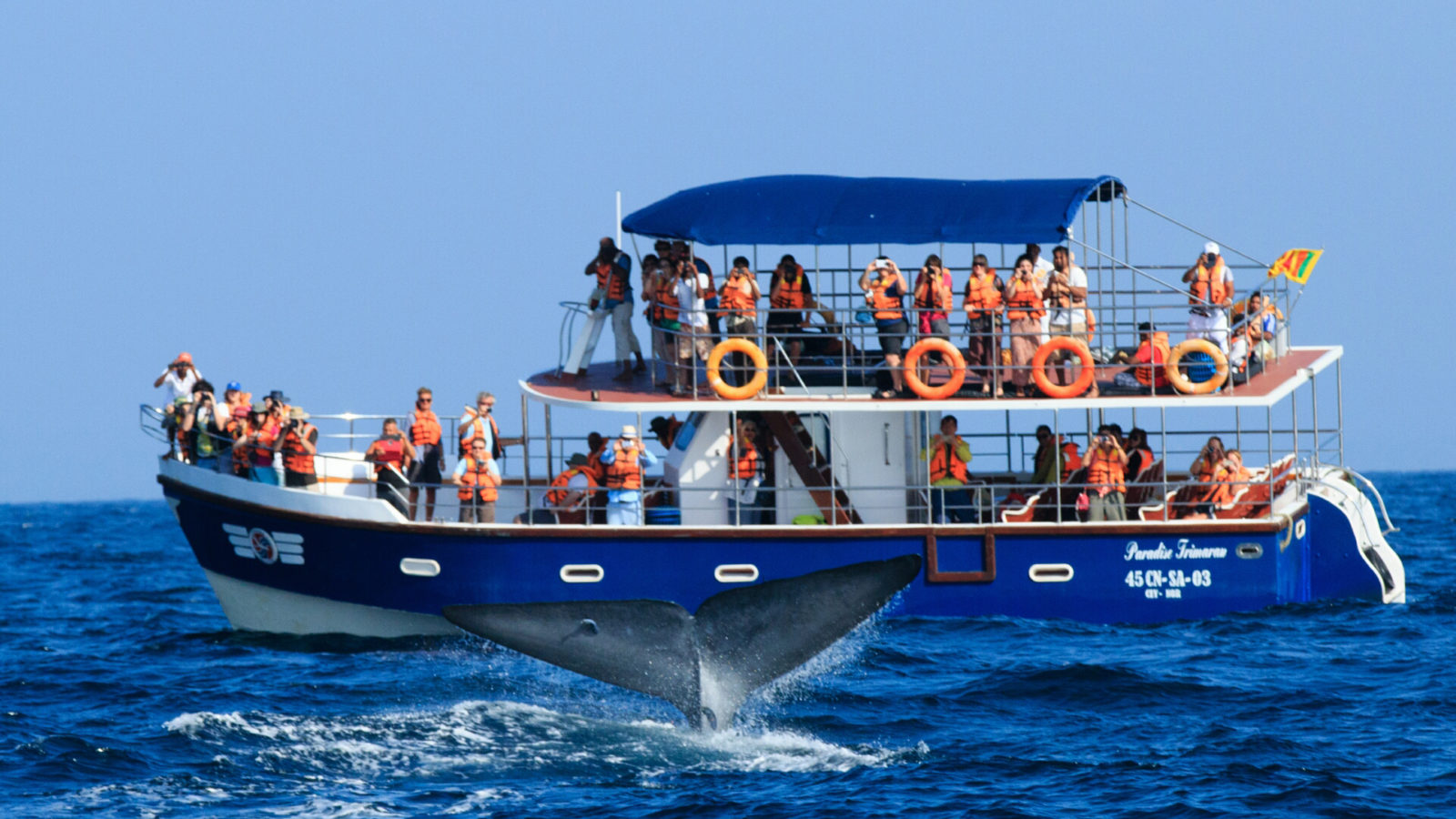
This time, we take you to Mirissa, a beach in southern Sri Lanka, to observe the largest mammal that inhabits the water. The season for whale watching runs from November to April. Typically, the ocean is quiet and warm during this time. The off-season spans from May until October. Because the ocean is typically choppy and boats don't travel to the ocean, we can see but are only occasionally seen. Blue whale sightings, as well as Bottlenose dolphins, dolphins, fin whales, turtles, whale sharks, sperm whales, short-finned whales, killer whales, and flying fish, are certain to occur 98% of the time.
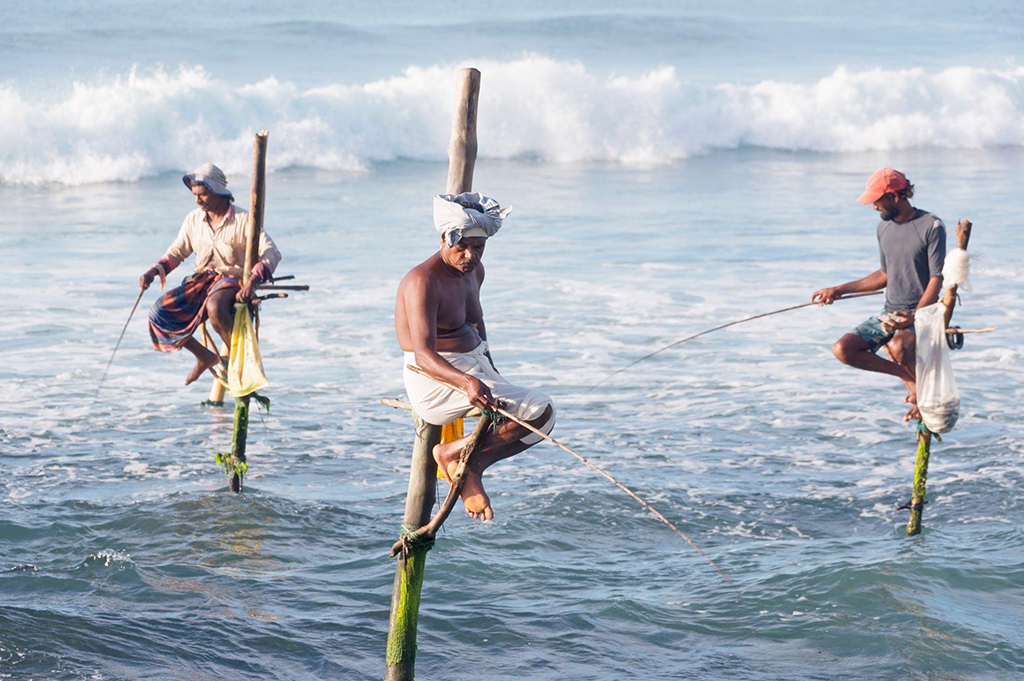
There are many different sorts of fishing techniques employed in Sri Lanka, however the majority of the time, fishermen use boats to travel out to sea and employ nets and other modern tactics. However, in this instance the technique is slightly different since the fisherman uses a fish-hook that is connected to the pole by a string.
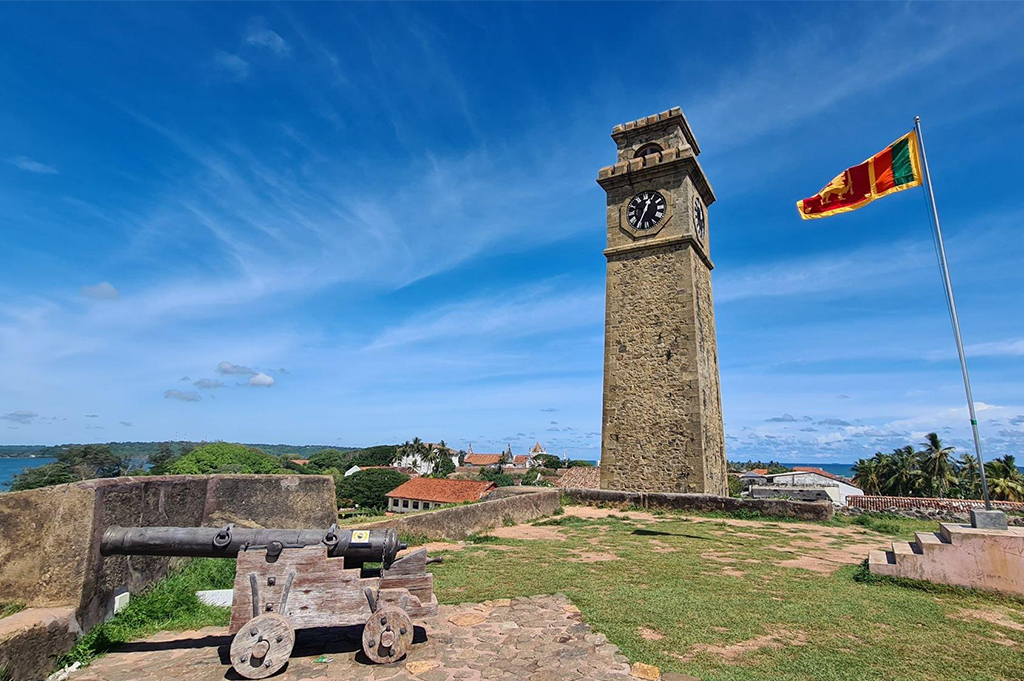
The Galle Fort, located on the Bay of Galle on the southwest coast of Sri Lanka, was first constructed by the Portuguese in 1588 and then heavily reinforced by the Dutch beginning in 1649. This historical, archaeological, and architectural landmark has undergone substantial repair work by the Sri Lankan Archaeological Department, which has allowed it to retain its polished aspect even after more than 423 years.
The fort's historical significance has been acknowledged by UNESCO, and the location has been listed as a cultural heritage UNESCO World Heritage Site under criteria IV for its exceptional display of "an urban ensemble which illustrates the interaction of European architecture and South Asian traditions from the 16th to the 19th centuries." 52 hectares (130 acres) are taken up by the Galle Fort, sometimes called the Dutch Fort or the "Ramparts of Galle."
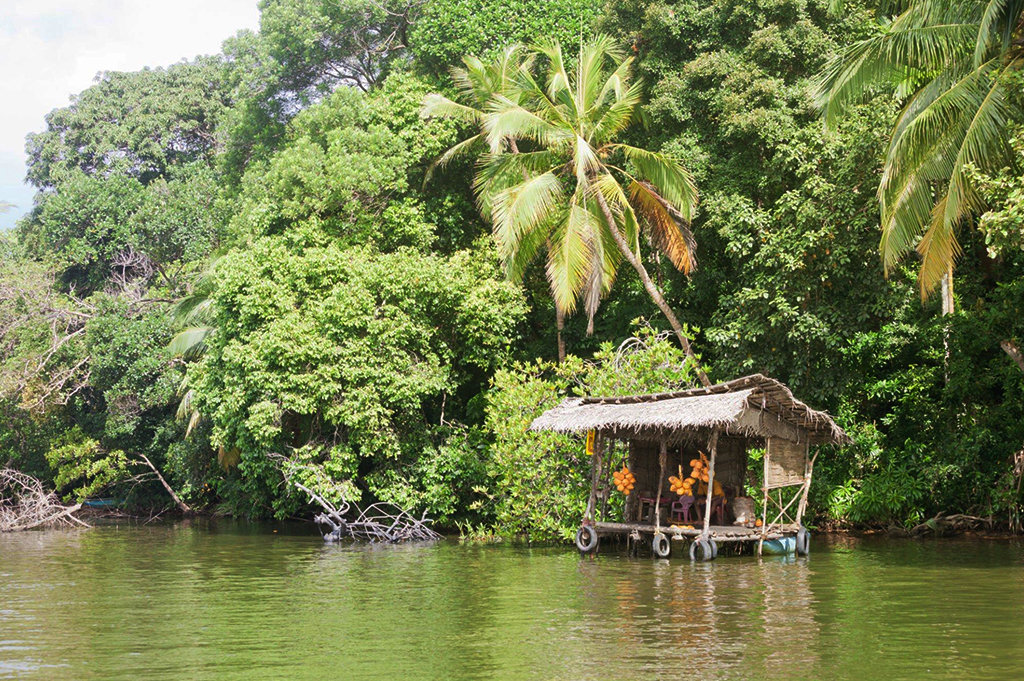
Together with the smaller Randombe Lake, to which it is connected by two narrow channels, it forms the Madu Ganga
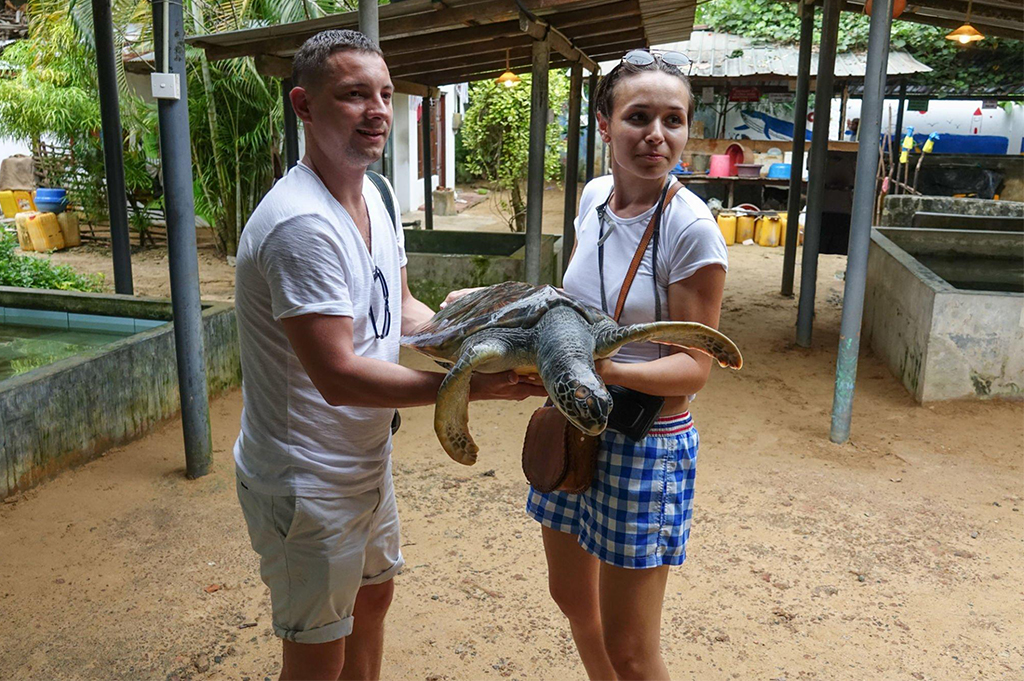
Sea turtle populations are particularly high along the west coast of Sri Lanka.Therefore, after we entered the sea turtle hatchery, you could learn about the several kinds of sea turtles that visit our shore and also witness the eggs and young turtles that were 2, 3, and even 2 and a half days old.